
Special Containers and DG
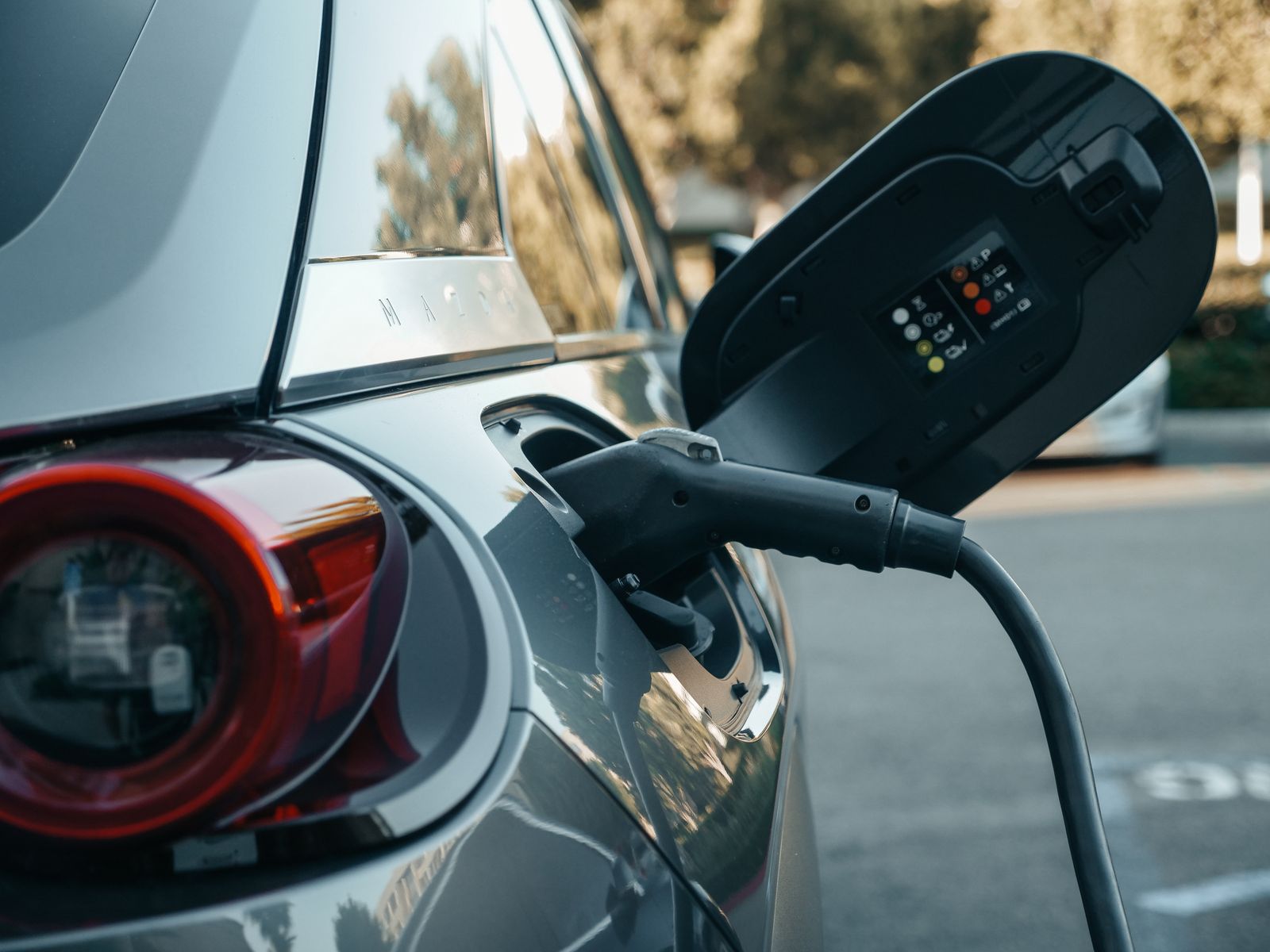
New energy vehicle export
Complete EV export is one of our key service areas. Before shipment, we can help review the vehicle list, VIN information, battery parameters, state of charge, vehicle condition, accessories, and destination requirements, then coordinate booking, customs declaration, loading, and destination handover.
For EV-related cargo such as lithium batteries, battery packs, charging piles, charging cables, and auto parts, we first confirm whether DG, magnetic cargo, certification, or special packaging requirements are involved, then match the suitable ocean, air, or multimodal transport plan.
Dangerous goods shipment
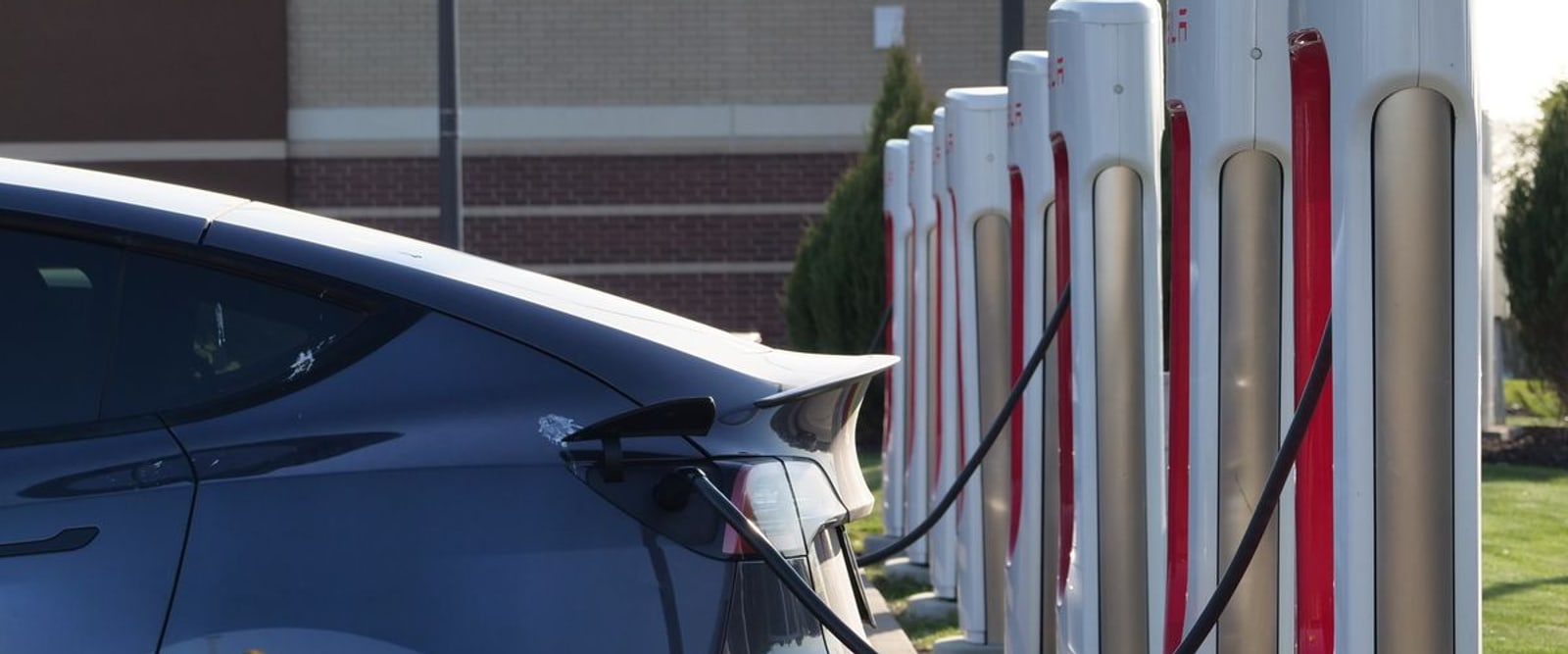
Dangerous goods services cover lithium batteries, battery packs, energy storage equipment, hazardous chemicals, and other regulated cargo. We help pre-check MSDS, DG packaging certificates, UN number, DG class, packing group, labels, and declaration documents before booking.
During operation, we coordinate DG booking, carrier acceptance, port entry timing, customs documents, and terminal requirements according to carrier and port rules, reducing delays caused by incomplete documents or incorrect packaging and labels.

Special container transport
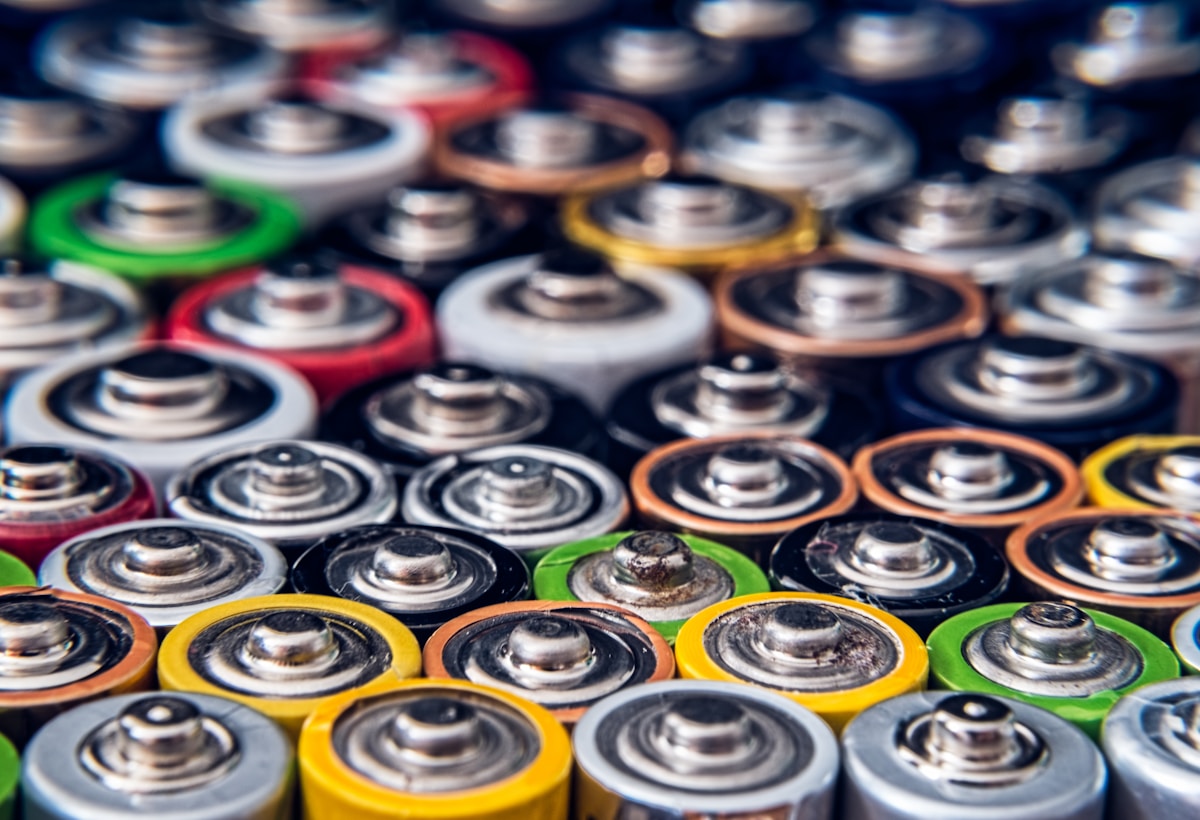
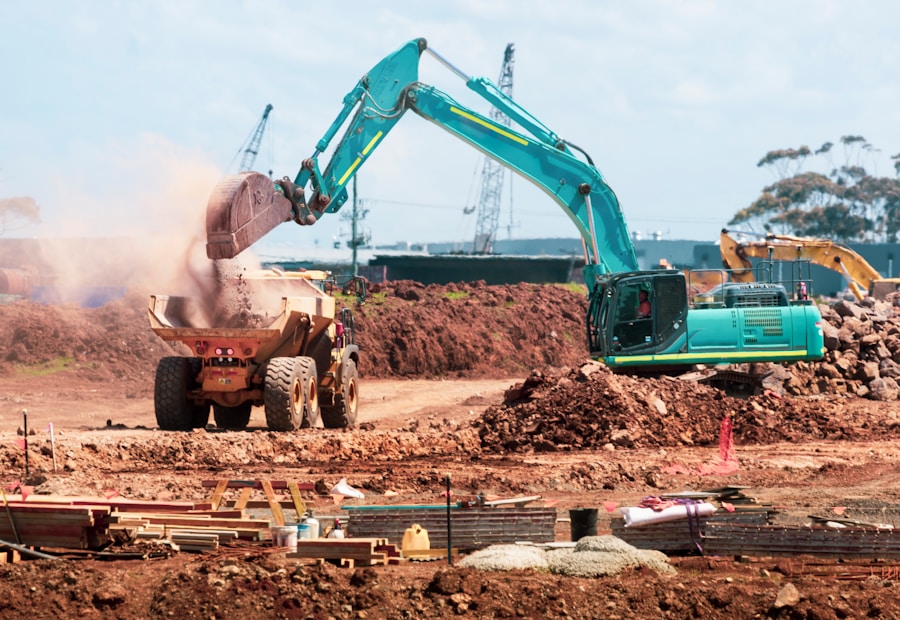
Special container services apply to cargo that cannot be loaded in standard containers, including open-top containers, flat racks, platform containers, overlength, overwidth, overheight, overweight cargo, large equipment, construction machinery, vehicle parts, and project cargo.
Based on cargo dimensions, weight, center of gravity, lifting points, securing method, and port operation conditions, we help confirm container type, loading method, securing requirements, loading photos, port entry requirements, and carrier acceptance.
Service scope
Service scope includes new energy vehicle export booking, vehicle document review, VIN information preparation, battery parameter confirmation, lithium battery and related cargo classification review, dangerous goods document pre-check, MSDS and dangerous goods packaging document coordination, special container type confirmation, loading plan communication, lashing and securing requirement confirmation, port entry coordination, export declaration, and carrier acceptance follow-up.
For vehicles, lithium batteries, energy storage equipment, dangerous chemicals, large equipment, construction machinery, oversized cargo, and other special cargo scenarios, operation risks can be reviewed in advance according to cargo attributes, packaging condition, transport mode, and destination requirements. Booking, trucking, warehousing, loading, customs declaration, shipment, and destination handover can then be connected through one coordinated process.